
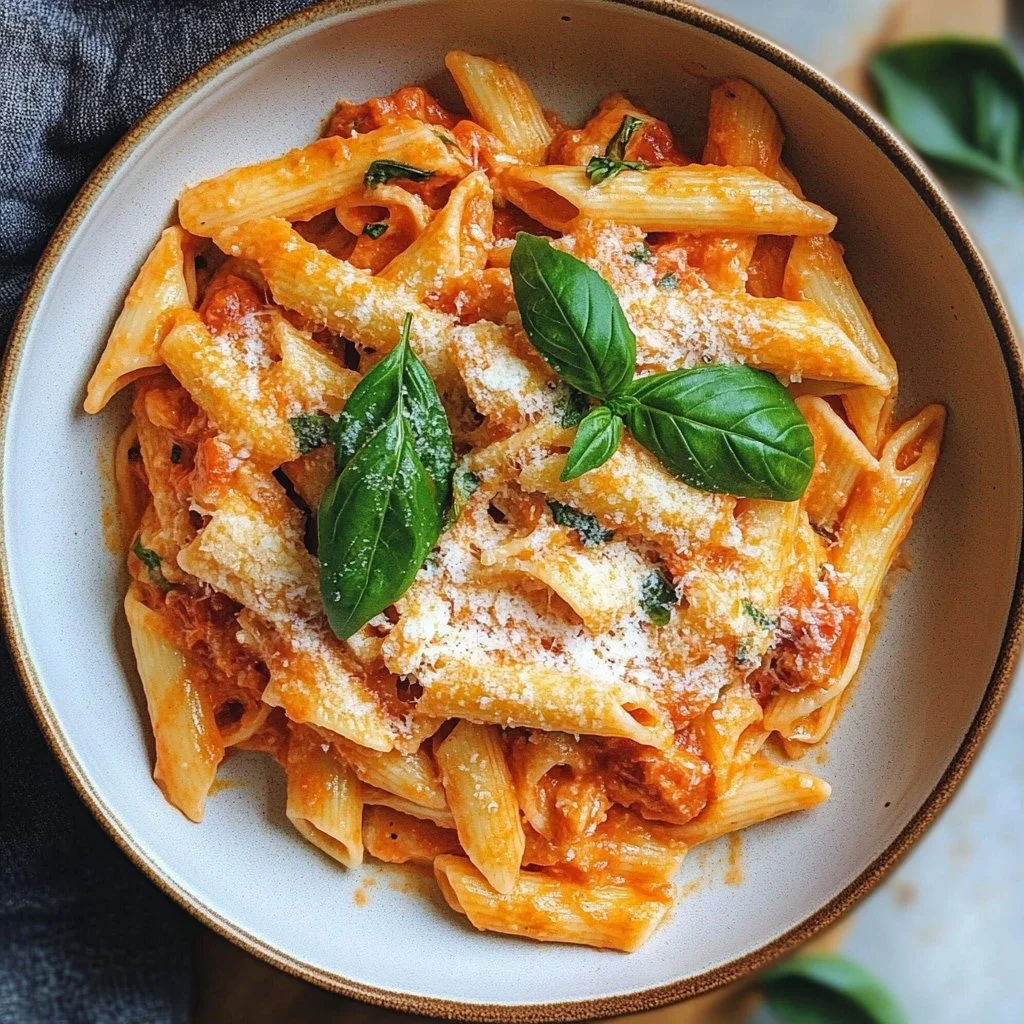
I’ve cooked this Tomato Ricotta Pasta more times than I can count when I needed a fast, comforting dinner that still felt a little special. It’s creamy without cream, bright from passata, and forgiving enough for cooks of any skill level. If you’re drawn to quick, creamy weeknight pastas, you might also enjoy the texture and bright tomato flavor in this creamy tomato garlic pasta.
Why you’ll love this dish
This pasta hits a sweet spot: it’s fast, budget-friendly, and elegant enough for guests. The ricotta softens the tomato sauce into a silky coating that clings to rigatoni’s ridges. It’s a great choice when you want something more interesting than plain marinara but don’t have time for a long simmer.
“A weeknight hero: simple ingredients, amazing texture, and the kind of leftovers that get eaten straight from the container.”
Why make it now: use it when tomatoes from the jar need a quick boost, when you want a family-friendly crowd pleaser, or when you need a vegetarian main that still feels hearty.
The cooking process explained
Before you start, here’s the quick overview so you know what to expect. Sauté aromatics, add passata and seasoning, simmer briefly, fold in parmesan and basil, then work in ricotta for creaminess. While the sauce reduces, cook the pasta to al dente and reserve some starchy water. Toss everything together, loosening with pasta water as needed, and finish with extra parmesan and basil.
This recipe takes about 25 to 30 minutes from start to finish and uses a single large skillet plus a pot for pasta.
What you’ll need
- 300 g rigatoni pasta
- 500 g passata (tomato sauce) — smooth jarred passata works best
- 250 g ricotta — whole-milk ricotta gives the creamiest result
- 1/2 cup onion, finely chopped
- 4 garlic cloves, chopped or minced
- 1/4 cup extra virgin olive oil
- 1/2 tablespoon Italian seasoning
- 3/4 cup parmesan cheese, grated (add more to taste)
- Fresh basil, torn or chopped, to taste
- Salt and black pepper to taste
Substitution notes: use any short tubular pasta if rigatoni isn’t available. For a tangier finish, swap half the ricotta for mascarpone. If you need a dairy-free option, use a creamy plant-based ricotta and nutritional yeast instead of parmesan.
Step-by-step instructions
- Bring a large pot of salted water to a boil for the pasta.
- Heat a large skillet over medium-high heat and add the olive oil. Wait until it shimmers.
- Add the chopped onion and sauté until soft and translucent, about 4 to 5 minutes. Stir occasionally.
- Add the chopped garlic and cook just until fragrant, about 30 seconds; avoid browning.
- Pour in the passata, stir in the Italian seasoning, and season with salt and pepper. Mix to combine.
- Reduce the heat to low and let the sauce simmer gently for about 10 minutes, stirring now and then so it reduces slightly.
- Meanwhile, cook the rigatoni in the boiling salted water until al dente. Before draining, reserve 1/2 to 1 cup of the pasta cooking water.
- Once the sauce has reduced a little, stir in the grated parmesan and the torn basil. The cheese will thicken the sauce.
- Drop spoonfuls of ricotta into the skillet and stir until the sauce becomes creamy and evenly mixed. Adjust salt and pepper.
- Add the drained pasta directly to the skillet and toss to coat well. If the sauce seems too thick, add a splash of the reserved pasta water until you reach the desired consistency.
- Serve immediately, topped with extra grated parmesan and more fresh basil.
Best ways to enjoy it
Plate the pasta in shallow bowls so the sauce pools around the rigatoni. Finish with a drizzle of good olive oil and a few basil leaves for color. Pair with:
- A simple green salad dressed with lemon and olive oil.
- Roasted vegetables like asparagus or zucchini for extra texture.
- Crusty bread to mop up the sauce.
For a cozy dinner, serve with warm focaccia. For a lighter meal, add grilled or roasted vegetables on the side.
Storage and reheating tips
Cool leftovers quickly and refrigerate in an airtight container within two hours of cooking. Eat within 3 to 4 days. To reheat, warm gently in a skillet over medium-low heat with a splash of water or milk to revive the creaminess. In the microwave, heat in short bursts and stir between intervals.
To freeze: portion into freezer-safe containers and freeze for up to 2 months. Thaw overnight in the fridge before reheating. As with all cooked pasta dishes, texture softens after freezing, so plan to use frozen portions in casseroles or as a quick reheat rather than expecting perfectly firm pasta.
Pro chef tips
- Use whole-milk ricotta for the silkiest sauce. Drain watery ricotta in a fine sieve if it seems loose.
- Reserve pasta water: the starch helps the sauce cling to the rigatoni and creates a glossy finish.
- Avoid overcooking garlic. Add it after the onions soften and watch the 30-second mark so it doesn’t turn bitter.
- Add ricotta off the heat or on very low heat and stir gently to keep the sauce light rather than curdled.
- Taste and adjust salt at two points: after the sauce reduces and again after adding cheese and ricotta.
Recipe variations
- Add roasted cherry tomatoes and a squeeze of lemon for a brighter, summer-style version.
- Stir in a handful of baby spinach at the end until wilted for extra greens.
- For a meaty twist, brown ground beef separately and fold it into the sauce before adding ricotta; it pairs beautifully when you want more heft and is similar in spirit to this creamy beef pasta idea.
- Swap basil for fresh oregano and a pinch of red pepper flakes for a spicier profile.
- Make it gluten-free with your favorite GF rigatoni and check that passata lacks added thickeners that contain gluten.
Your questions answered
How long does this recipe take from start to table?
Expect about 25 to 30 minutes total. The sauce simmers quickly while the pasta cooks, so you can finish everything within a half hour.
Can I use fresh tomatoes instead of passata?
Yes. For fresh tomatoes, use about 600 to 700 g ripe tomatoes, blanched, peeled, and puréed. Cook them down a bit longer to reach a similar consistency to passata.
Will the ricotta curdle if heated too much?
Ricotta can separate if exposed to very high heat. Keep the sauce at low temperature when adding ricotta and stir gently until incorporated. If you must reheat leftovers, do it slowly and add a splash of water or milk to maintain creaminess.
Is this suitable for meal prep?
Yes. The sauce stores well for up to four days in the fridge and can be frozen. If preparing ahead, keep pasta and sauce separate for the best texture; toss together just before serving.
Can I make this nut-free and vegetarian?
Absolutely. The dish as written is vegetarian and naturally nut-free. If you substitute dairy, choose a certified nut-free alternative to avoid cross-contact.
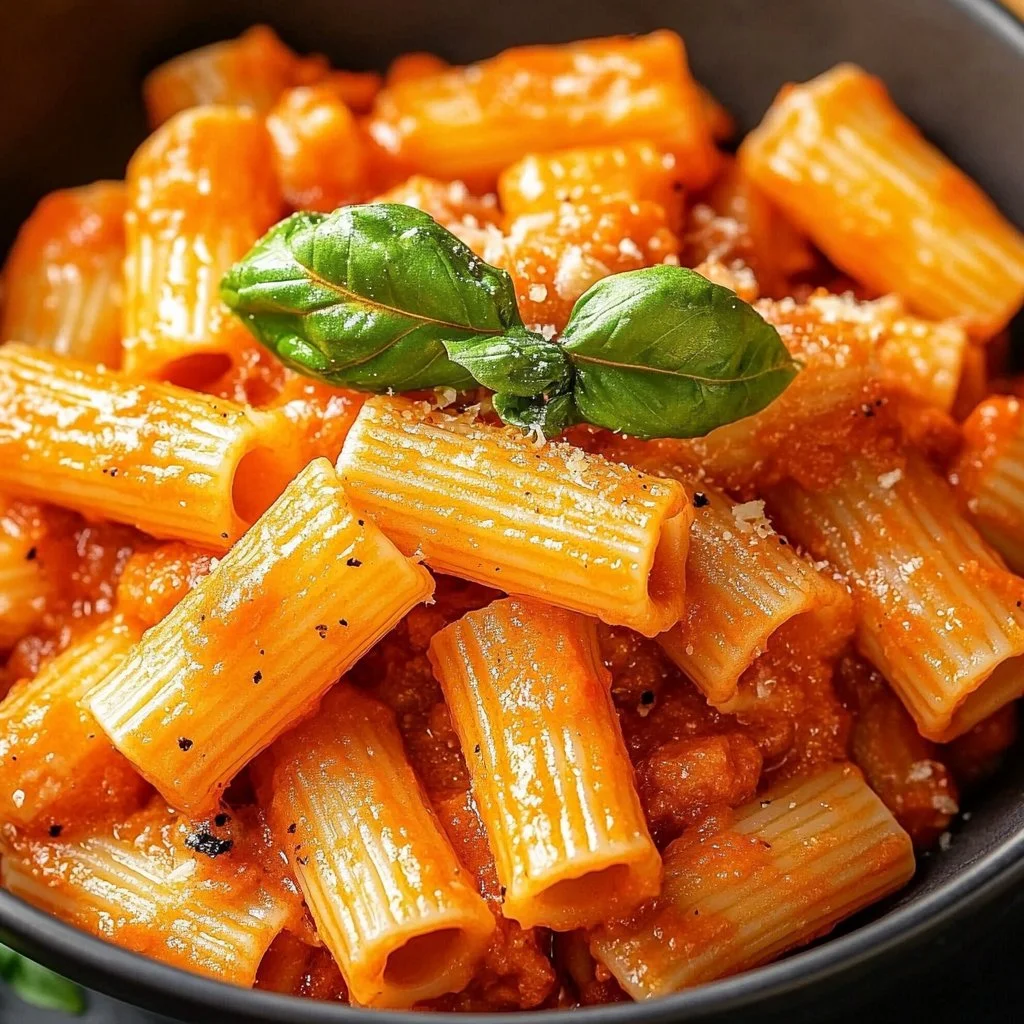
Tomato Ricotta Pasta
Ingredients
Method
- Bring a large pot of salted water to a boil for the pasta.
- Heat a large skillet over medium-high heat and add the olive oil. Wait until it shimmers.
- Add the chopped onion and sauté until soft and translucent, about 4 to 5 minutes. Stir occasionally.
- Add the chopped garlic and cook just until fragrant, about 30 seconds; avoid browning.
- Pour in the passata, stir in the Italian seasoning, and season with salt and pepper. Mix to combine.
- Reduce the heat to low and let the sauce simmer gently for about 10 minutes, stirring now and then.
- Meanwhile, cook the rigatoni in the boiling salted water until al dente. Before draining, reserve 1/2 to 1 cup of the pasta cooking water.
- Once the sauce has reduced slightly, stir in the grated parmesan and torn basil.
- Drop spoonfuls of ricotta into the skillet and stir until the sauce becomes creamy.
- Add the drained pasta directly to the skillet and toss to coat well. If the sauce seems too thick, add a splash of the reserved pasta water.
- Serve immediately, topped with extra grated parmesan and more fresh basil.